

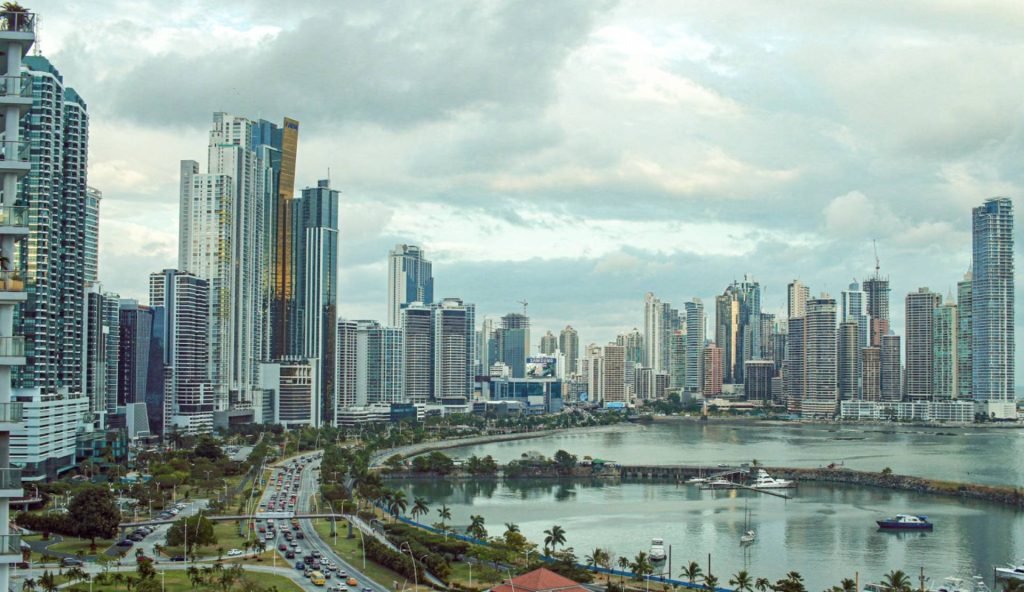
Buying property in Panama as a foreigner is generally a straightforward process. International buyers can purchase titled apartments, houses, commercial properties and land in most parts of the country.
However, buying real estate in another country requires more than finding an attractive property and negotiating a price.
Foreign buyers should understand Panama’s ownership rules, verify the legal status of the property, calculate the total cost of the transaction and work with independent professionals before transferring any money.
This guide explains how foreigners can buy property in Panama, how the purchasing process works, which taxes and expenses to expect, and which mistakes you should avoid.
Whether you are planning to relocate, retire, invest or purchase a second home, careful preparation will help you protect your investment.
Can Foreigners Buy Property in Panama?
Yes. Foreign individuals and foreign-owned companies can generally acquire titled property in Panama.
Panamanian law applies to property located in the country even when the owner is a foreign citizen who does not live in Panama. Article 6 of Panama’s Civil Code confirms that assets located in Panama are subject to Panamanian law, regardless of the nationality or residence of their owners.
Therefore, foreigners can normally purchase:
- Apartments
- Houses
- Commercial units
- Offices
- Warehouses
- Titled land
- Investment properties
- Rental properties
- Properties under the Horizontal Property regime
You do not normally need to be a Panamanian resident to buy real estate.
You may purchase property while living abroad, although you will need appropriate legal representation and properly authenticated documents if you cannot attend the transaction personally.
However, some constitutional restrictions apply to specific locations.
Buying Property in Panama as a Foreigner: Ownership Restrictions
Although foreigners can purchase property in most of Panama, Article 291 of the Panamanian Constitution establishes an important restriction.
Foreign individuals, foreign companies and Panamanian companies with foreign capital cannot acquire land located within ten kilometres of Panama’s international borders.
Island property is also subject to specific constitutional conditions and may require additional legal analysis.
These restrictions do not normally affect properties in areas such as:
- Panama City
- Costa del Este
- Santa María
- San Francisco
- Avenida Balboa
- Casco Antiguo
- Coronado
- Boquete
- Pedasí
- El Valle de Antón
- Playa Blanca
Nevertheless, buyers interested in border areas, islands, coastal land or undeveloped rural property should obtain specialised legal advice before signing any agreement.
Do not assume that every property advertised for sale can legally be transferred to a foreign buyer.
Titled Property Versus Rights of Possession
One of the most important distinctions in Panama is the difference between titled property and rights of possession.
Titled property
A titled property is registered at the Public Registry of Panama.
Its registration normally identifies:
- The registered owner
- The property number
- The location code
- The surface area
- Registered mortgages
- Liens
- Restrictions
- Other recorded interests
A Public Registry certificate can also indicate whether registered encumbrances exist against the property.
For most foreign buyers, purchasing a correctly registered titled property provides the clearest legal structure.
Rights of possession
Rights of possession, often called derechos posesorios, are not the same as registered ownership.
The Public Registry’s own guidance describes a right of possession as a legal right of use that may allow the holder to begin a titling process, but it is not itself a registered property title.
Rights-of-possession properties can sometimes be found in coastal, rural and island areas. However, they involve greater legal uncertainty and may be more difficult to finance, sell or develop.
Before considering this type of transaction, buyers should investigate:
- Who legally owns the land
- Whether the possessory right has been officially recognised
- Whether another person has made a competing claim
- Whether titling is legally possible
- Whether the property overlaps protected, state-owned or indigenous land
- Whether the boundaries have been formally surveyed
- Whether building or development permits can be obtained
Unless you fully understand the legal consequences, do not treat possession rights as equivalent to titled property.
The Property-Buying Process in Panama
The precise process depends on the property, seller, financing method and legal structure. Nevertheless, most purchases follow several common stages.
Step 1: Define Your Objective and Budget
Before beginning your search, decide why you are buying.
Your requirements will be different depending on whether you want:
- A permanent residence
- A retirement home
- A holiday property
- A long-term rental investment
- A short-term rental property
- A future relocation option
- A commercial investment
- A property connected to a residency application
Your total budget should include more than the purchase price.
Consider:
- Legal fees
- Notary and registration expenses
- Property inspections
- Appraisal expenses
- Bank charges
- Mortgage costs
- Escrow or fiduciary costs
- Renovation expenses
- Furniture
- Property taxes
- Maintenance fees
- Insurance
- Future repairs
A property that appears inexpensive may require significant renovation or carry high monthly maintenance expenses.
If you are still comparing locations, read our guide to Best Areas to Live in Panama City before deciding where to buy.https://casafacilpty.com/best-areas-live-panama-city/
Step 2: Choose an Independent Real Estate Adviser
A professional real estate adviser can help you understand market prices, compare neighbourhoods and identify suitable properties.
However, buyers should know whom the agent represents.
The listing agent normally works to complete the sale of a property listed by the owner. Therefore, a foreign buyer may benefit from having an adviser who focuses specifically on the buyer’s needs.
A reliable adviser should help you:
- Compare similar properties
- Understand realistic market values
- Identify potential problems
- Request supporting documentation
- Coordinate visits
- Negotiate the commercial terms
- Communicate with lawyers, banks and inspectors
Real estate advice does not replace independent legal due diligence.
Step 3: Hire an Independent Panamanian Lawyer
Your lawyer should review the transaction before you pay a significant deposit or sign a binding promise-to-purchase agreement.
Ideally, the buyer’s lawyer should be independent from:
- The seller
- The property developer
- The listing agent
- The seller’s lawyer
- Other parties receiving money from the transaction
The lawyer should confirm the identity and authority of the seller and verify that the property can be legally transferred.
The legal review may include:
- Public Registry certification
- Ownership history
- Mortgages
- Liens
- Court orders
- Restrictions
- Registered promises to purchase
- Property-tax status
- Corporate documentation
- Powers of attorney
- Building permits
- Horizontal Property documentation
- Existing leases
- Pending disputes
Do not rely exclusively on copies of documents provided by the seller.
Step 4: Inspect the Property Carefully
A legal title search does not reveal every physical problem.
Before making a final commitment, inspect:
- Plumbing
- Electrical systems
- Air-conditioning
- Roofs
- Windows
- Structural elements
- Water damage
- Humidity
- Appliances
- Common areas
- Parking spaces
- Storage areas
- Furniture included in the sale
For houses and older apartments, consider hiring an independent architect, engineer or qualified inspector.
If the property has been renovated, request information about the work performed and any applicable permits.
A professional inspection may give you grounds to renegotiate the price, request repairs or withdraw before signing a final agreement.
Step 5: Make a Written Offer
Once you find a suitable property, submit a written offer.
The offer should clearly state:
- The proposed price
- The amount of the deposit
- The payment schedule
- Whether the purchase depends on financing
- Whether furniture is included
- The proposed closing date
- Any inspection condition
- Any due-diligence condition
- What happens if the legal review identifies a problem
Avoid negotiating only through informal messages.
A written offer reduces misunderstandings and creates a clear basis for the next stage.
Step 6: Negotiate the Promise-to-Purchase Agreement
After the parties agree on the principal terms, they commonly sign a promise-to-purchase agreement, known in Spanish as a promesa de compraventa.
This agreement may establish:
- The identities of the buyer and seller
- The legal description of the property
- The purchase price
- The deposit
- Payment dates
- Due-diligence obligations
- The closing deadline
- Financing conditions
- Required documents
- Penalties for breach
- Conditions for returning the deposit
- Furniture or equipment included
- How taxes and closing costs will be allocated
Do not sign the promise agreement until your lawyer has reviewed it.
The deposit should also be handled through a secure and clearly documented mechanism.
Avoid sending a large deposit directly to an individual without written instructions explaining where the money will be held and under which conditions it can be released.
Step 7: Complete Full Due Diligence
Due diligence is one of the most important parts of buying property in Panama as a foreigner.
Your lawyer should verify that the person selling the property is the registered owner or has valid authority to sell it.
The Public Registry search should identify registered mortgages, liens and restrictions.
The Public Registry provides property-related consultation and certification services that allow users to verify registered information and request property certificates.
Due-diligence checklist
Before closing, confirm:
- The property is correctly registered
- The seller matches the registered owner
- The property description matches the physical property
- The surface area is correct
- Parking spaces and storage units are legally included
- No undisclosed mortgage exists
- No embargo or lien prevents the transfer
- Property taxes are up to date
- Utility bills are current
- Maintenance fees are paid
- There are no undisclosed special assessments
- Construction and occupancy permits are valid
- Existing tenants have been disclosed
- The seller has authority to complete the sale
- The purchase agreement protects the buyer
- All funds and payment instructions are documented
For land, additional checks may be necessary regarding zoning, access roads, water, utilities, environmental restrictions and property boundaries.
Step 8: Arrange Financing or Transfer of Funds
Foreign buyers may purchase with cash or apply for mortgage financing.
Mortgage availability depends on factors such as:
- Residency status
- Age
- Income
- Credit profile
- Source of income
- Employment history
- Property value
- Down payment
- The lending bank’s internal policies
Non-residents may face additional documentation requirements.
If you need financing, speak with banks before making an unconditional offer. A pre-approval can help you understand how much you can borrow and what documents the bank will require.
Buyers transferring money from abroad should also prepare source-of-funds documentation.
Banks, lawyers, escrow providers and fiduciary companies may request evidence such as:
- Bank statements
- Tax returns
- Employment records
- Company documents
- Property-sale agreements
- Investment statements
- Inheritance documents
Begin this process early. International compliance reviews can delay a closing when the buyer has not prepared the necessary documentation.
Step 9: Prepare the Public Deed
Once the conditions of the promise agreement have been satisfied, the parties prepare the final public deed of sale.
The deed normally identifies:
- The buyer
- The seller
- The property
- The agreed consideration
- The relevant tax payments
- The transfer conditions
- Any mortgage involved
The document is executed according to Panamanian legal formalities and submitted to the Public Registry.
Your lawyer should review the final deed before it is signed.
Step 10: Pay the Purchase Price Securely
The payment structure should be agreed in advance.
Depending on the transaction, funds may be released through:
- A bank
- An escrow arrangement
- A licensed fiduciary structure
- A manager’s cheque
- A payment mechanism supervised by the lawyers
The contract should explain exactly when the seller becomes entitled to receive the funds.
Ideally, the payment process should reduce the risk of releasing the entire purchase price before the required closing documents are ready.
Never change payment instructions based only on an email or messaging-app request. Confirm any change directly with the responsible professional through a separate communication channel.
Step 11: Register the Transfer
The public deed must be submitted for registration so that the buyer appears as the registered owner.
Registration times can vary depending on the transaction and whether the Public Registry requests corrections or additional documents.
After registration, your lawyer should obtain updated evidence showing that ownership has been transferred correctly.
Do not consider the process fully complete merely because the deed has been signed or the money has been transferred.
Step 12: Complete the Post-Closing Process
After registration, the buyer should organise:
- Delivery of the keys
- Utility-account changes
- Building-administration registration
- Insurance
- Property-tax access
- Maintenance-fee payments
- Tenant notifications
- Property management
- Inventory verification
- Security-system access
- Renovation planning
Keep digital and physical copies of all relevant documents.
These should include the purchase agreement, registered deed, payment confirmations, tax documentation, inspection reports and property certificates.
Taxes and Costs When Buying Property in Panama
The total cost depends on the transaction.
Buyers should request an estimate from their lawyer before signing the purchase agreement.
Buyer-related expenses
A buyer may need to budget for:
- Legal fees
- Notary expenses
- Public Registry charges
- Property inspection
- Appraisal
- Escrow or fiduciary fees
- Bank-transfer fees
- Mortgage expenses
- Insurance
- Corporate expenses, when applicable
The precise amount depends on the purchase price and complexity of the transaction.
Real estate transfer tax
The seller generally handles the declarations connected to the transfer.
Panama’s tax administration states that the real estate transfer-tax declaration uses Form 106 and applies a 2% tax. The taxable calculation can depend on the relevant property value under the applicable rules.
Capital-gains tax advance
In a typical non-ordinary property sale, the seller generally pays a 3% advance toward capital-gains tax, calculated on the higher applicable amount between the sale value and cadastral value.
The final capital-gains treatment can depend on whether the transaction forms part of the seller’s ordinary business and other circumstances. Panama’s tax rules allow the seller, in applicable cases, to compare the advance with the tax calculated on the actual gain.
The seller normally files Forms 106 and 107 before the sale is registered. The DGI confirms that these forms must be presented by the seller.
The purchase agreement should clearly state which party is responsible for each tax and expense.
Annual property tax
Panama applies annual property tax based on the applicable taxable or cadastral value, subject to exemptions and special classifications.
The standard rates currently published by the DGI are:
- Up to B/.30,000: 0%
- From B/.30,001 to B/.250,000: 0.60%
- From B/.250,001 to B/.500,000: 0.80%
- Above B/.500,000: 1.00%
Different treatment may apply to a registered principal residence, family tax estate, exempt improvements or other special situations.
Before purchasing, ask your lawyer to obtain the property’s current tax status.
Do not assume that the annual tax is based directly on the advertised purchase price.
Horizontal Property maintenance fees
Apartment and condominium owners normally pay monthly maintenance fees to the Horizontal Property administration.
These fees may cover:
- Security
- Elevators
- Swimming pools
- Gyms
- Gardens
- Cleaning
- Common-area electricity
- Administration
- Building insurance
- Reserve funds
Ask for the current monthly fee and recent information about extraordinary assessments.
A low purchase price can be less attractive when the building has high recurring fees or requires major repairs.
Should You Buy Personally or Through a Company?
Foreign buyers can sometimes purchase property in their personal name or through a Panamanian legal entity.
The best structure depends on:
- Residency plans
- Estate planning
- Number of owners
- Liability considerations
- Financing
- Rental activity
- Tax consequences
- Future resale plans
- Administrative costs
A company may offer organisational advantages in some circumstances. However, it also creates annual accounting, compliance, registered-agent and corporate-maintenance obligations.
Buying through a company does not automatically reduce taxes or make the investment more profitable.
Obtain personalised legal and tax advice before choosing the ownership structure.
Changing the structure after the purchase may create additional expenses and tax consequences.
Does Buying Property Give You Residency in Panama?
Buying property does not automatically give a foreign buyer the right to live permanently in Panama.
Property ownership and immigration status are separate legal matters.
However, Panama has immigration categories connected to real estate investment.
As of the requirements currently published by Panama’s National Migration Service, the economic-solvency route based on real estate refers to a personal property investment of at least B/.300,000, with specific requirements concerning registration, liens and the foreign origin of the funds.
Immigration requirements can change. Therefore, speak with an immigration lawyer before purchasing a property for residency purposes.
The property must be acquired and structured in a way that complies with the chosen immigration category.
For a detailed explanation, read our guide to Panama Residency by Real Estate Investment.https://casafacilpty.com/panama-residency-by-real-estate-investment-2026-guide-for-foreign-buyers/
If you are planning a complete international move, our guide on How to Move to Panama in 2026 explains the broader relocation process.https://casafacilpty.com/como-mudarse-a-panama-en-2026-guia-completa-para-extranjeros/
Common Mistakes Foreign Buyers Should Avoid
Paying money before completing legal checks
Do not transfer a large non-refundable deposit before your lawyer verifies the seller and property.
Using only the seller’s lawyer
The seller’s lawyer protects the seller’s interests. The buyer should obtain independent advice.
Assuming possession rights equal ownership
Possession rights are not registered property titles.
Buying without inspecting the property
A visually attractive apartment may hide plumbing, electrical, humidity or structural problems.
Ignoring monthly expenses
Maintenance fees, insurance, repairs and property management affect the real cost of ownership.
Believing advertised rental returns
Request evidence of actual occupancy, expenses and rental history.
Future income projections should be conservative.
Buying solely to obtain residency
Confirm the immigration requirements before structuring the purchase.
Ignoring resale conditions
Consider who might buy the property from you in the future.
A property that is highly personalised, difficult to access or located in an oversupplied segment may take longer to sell.
Not researching the neighbourhood
Visit at different times of the day.
Check traffic, noise, construction, security, shops, hospitals, schools and public services.
Failing to verify what is included
The contract should identify furniture, appliances, parking spaces and storage units included in the transaction.
Underestimating renovation costs
Request professional estimates before buying a property that requires significant work.
Is Panama a Good Place to Buy Real Estate?
Panama offers a wide variety of real estate options.
Foreign buyers can find modern city apartments, suburban homes, mountain properties, beach residences and commercial investments.
However, there is no single market.
Prices, demand, liquidity and rental performance vary significantly between neighbourhoods, buildings and property types.
A good purchase should match your personal objective.
A home suitable for retirement may not be the best short-term rental investment. Likewise, a property offering an attractive rental yield may not provide the lifestyle a relocating family needs.
Before deciding, compare:
- Location
- Building quality
- Property condition
- Maintenance expenses
- Rental demand
- Future supply
- Resale potential
- Infrastructure
- Personal lifestyle requirements
For a broader financial overview, see our guide to the Cost of Living in Panama in 2026.https://casafacilpty.com/cost-of-living-in-panama-in-2026-a-complete-guide-for-expats-retirees-and-investors/
Frequently Asked Questions
Can a US citizen buy property in Panama?
Yes. A US citizen can generally purchase titled property in Panama without becoming a resident first. Constitutional restrictions apply near international borders, and certain island transactions require additional legal analysis.
Can Canadians and Europeans buy property in Panama?
Yes. Canadian, British, Italian, Spanish, French, German, Swiss and other international buyers can generally purchase titled property under the same overall process.
Do I need residency to buy property in Panama?
No. Residency is not normally required to purchase titled real estate. However, owning property does not automatically grant residency.
Do I need a Panamanian bank account?
A local bank account is not always legally required to purchase property. Nevertheless, it may simplify payments, utilities, maintenance fees and property management.
Opening an account can involve a separate compliance and source-of-funds review.
Can I buy property remotely?
Yes, a foreign buyer may complete parts of the transaction through a properly drafted and authenticated power of attorney.
Your Panamanian lawyer should explain the apostille, authentication and translation requirements.
Can foreigners obtain mortgages in Panama?
Some Panamanian banks offer mortgage financing to foreign buyers. Approval, down-payment requirements, interest rates and documentation depend on the bank and the buyer’s financial profile.
How long does the buying process take?
The timeline depends on due diligence, financing, document preparation, tax payments and Public Registry processing.
A simple cash purchase may progress faster than a financed or legally complex transaction.
Is a reservation deposit refundable?
It depends entirely on the written terms.
The agreement should state when the deposit can be refunded, when it becomes non-refundable and what happens if due diligence or financing fails.
Should I buy a pre-construction property?
Pre-construction purchases can offer advantages, but they also involve completion, quality, timing and developer risks.
Review the developer’s experience, permits, contract, payment schedule and cancellation provisions before committing.
Can I rent out my property?
In many cases, yes. However, rental activity may be subject to building regulations, contractual restrictions, local rules, tax obligations and tourism-related requirements.
Check the building’s Horizontal Property regulations before buying for short-term rentals.
Is an attorney required?
Foreign buyers should use an independent Panamanian attorney.
Legal due diligence, contract review and registration are essential parts of protecting the investment.
Final Thoughts
Buying property in Panama as a foreigner can be a secure and rewarding process when the transaction is handled correctly.
Foreign buyers can own titled property in most parts of the country. Nevertheless, every property should be investigated individually.
The safest process includes:
- A realistic budget
- An experienced real estate adviser
- An independent lawyer
- A Public Registry search
- Physical inspection
- Clear written agreements
- Secure payment procedures
- Proper registration
- Post-closing verification
Do not rush because a seller claims that another buyer is ready to purchase.
A good property opportunity should withstand professional due diligence.
Need Help Buying Property in Panama?
Casa Fácil PTY helps international buyers identify suitable properties and coordinate the purchasing process with trusted local professionals.
Whether you are relocating, retiring or investing, we can help you compare locations, understand the market and avoid common mistakes.
Contact Casa Fácil PTY to request an initial consultation and start your property search in Panama with confidence.